

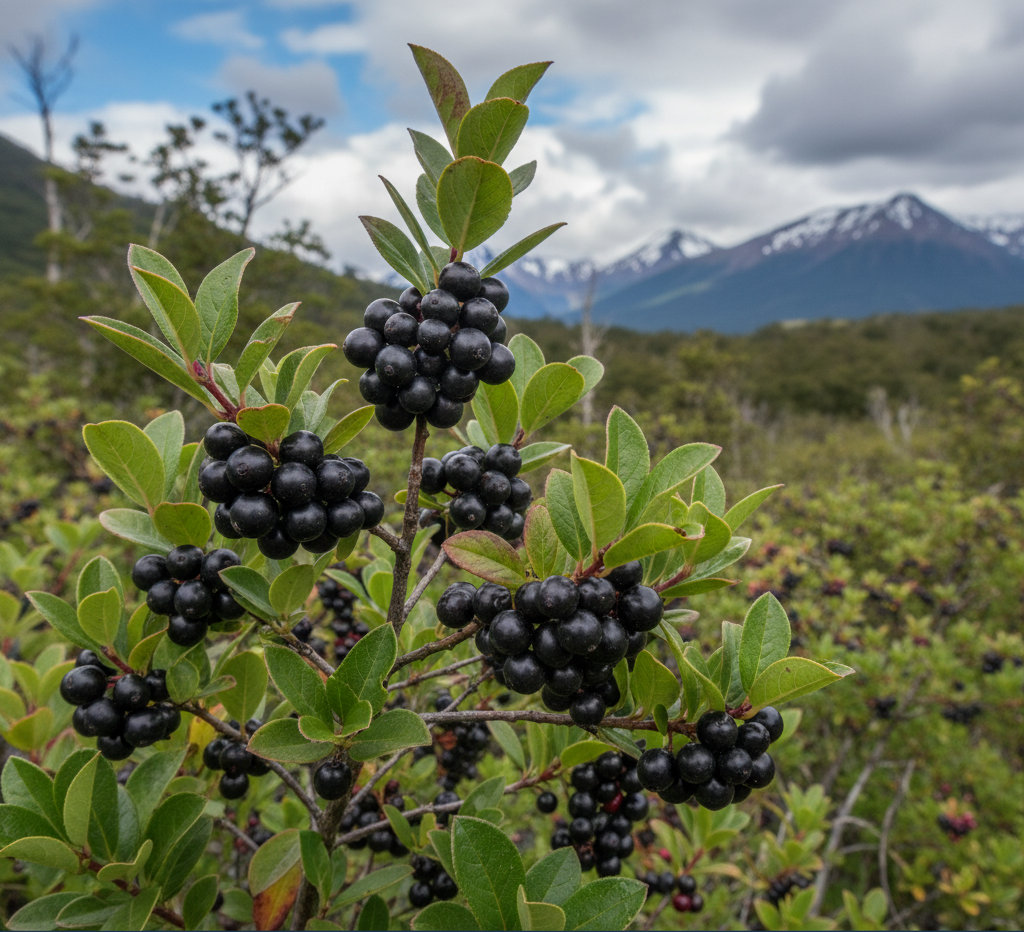
Imagine walking through the cool, misty forests of Chile. Between the tall trees and moss-covered rocks, you find clusters of deep purple berries shining under the sunlight. These tiny fruits are called Maqui Berries, nature’s hidden gems from Patagonia. For centuries, they have been used by the indigenous Mapuche people as food and medicine. In recent years, these berries have gained worldwide attention as one of the most powerful superfoods known for their antioxidant, anti-inflammatory, and metabolic health benefits.
In this guide, we’ll dive into the origins, benefits, uses, and side effects of maqui berries — along with real insights people have shared online. If you’ve ever wondered “Does maqui berry really work for weight loss?” or “What are the side effects of maqui berry?” — you’ll find all your answers here.
Scientific Classification (Taxonomy)
Let’s start with how the maqui berry is classified in the plant world:
- Kingdom: Plantae
- Order: Oxalidales
- Family: Elaeocarpaceae
- Genus: Aristotelia
- Species: Aristotelia chilensis (Molina) Stuntz
Do you know?
The scientific name Aristotelia chilensis literally means “from Chile.” It tells us about its native origin in the temperate forests of southern Chile and Argentina.
Origin and Traditional Use
For generations, the Mapuche tribe of Chile — one of the only Indigenous groups in South America that resisted European colonization — have consumed maqui berries daily. They used them to make refreshing drinks, healing infusions, and even natural dyes for their rituals.
Do you know?
The Mapuche believed the maqui berry gave them “the strength of the forest.” Even warriors were known to drink maqui juice before battles for stamina and focus.
Today, maqui berry has traveled far beyond Chile, making its way into smoothies, supplements, capsules, and powders across the world.
Nutritional Value and Composition
These berries are small, but they’re bursting with nutrients. Maqui berries are rich in:
- Anthocyanins, especially delphinidins, which give them their dark purple color.
- Polyphenols and flavonoids, known for strong antioxidant properties.
- Vitamin C, calcium, and iron, supporting immune and bone health.
Do you know?
Maqui berries have been found to have up to three times more antioxidants than blueberries, making them one of the richest natural sources of free-radical fighters.
Maqui Berry Benefits
Now let’s explore the most talked-about maqui berry benefits — all explained in simple, everyday language.
1. Supports Immune Health
The antioxidants and Vitamin C in maqui berries help protect your body from oxidative stress, which can weaken immunity. Regular intake may help your body fight infections and inflammation more effectively.
Do you know?
In one small clinical trial, maqui berry extract increased antioxidant levels in the blood and reduced markers of inflammation — even in just two weeks.
2. May Help Regulate Blood Sugar
Early studies show maqui berry may improve insulin sensitivity and reduce post-meal blood sugar spikes. For people watching their glucose levels, this can be a natural way to support metabolic health.
Do you know?
Maqui extract known as Delphinol® has been studied for blood sugar control — some users report more stable energy levels and fewer sugar crashes after meals.
3. Promotes Skin and Eye Health
The anthocyanins in maqui berry protect skin from oxidative damage caused by pollution, UV rays, and stress. It also supports eye moisture and reduces irritation.
Do you know?
One Reddit user in a health forum wrote:
“I started taking maqui berry capsules for my dry eyes, and I noticed I didn’t need artificial drops this winter.”
That’s how real users are discovering its benefits in everyday life.
4. Boosts Heart Health
By reducing oxidative stress and inflammation, maqui berry may support better blood flow and heart function. Its compounds can also help maintain healthy cholesterol levels.
Do you know?
Foods high in anthocyanins (like maqui, blueberries, and blackcurrants) are linked to lower risks of heart disease according to nutrition studies.
5. Maqui Berry and Weight Loss
There’s growing curiosity around maqui berry weight loss reviews. While it’s not a magic fat burner, its antioxidants and metabolism-supporting properties might help as part of a balanced routine.
Do you know?
In one animal study, mice fed a high-fat diet gained less weight when they were also given maqui berry extract. However, no large human trials yet confirm this effect — so it’s best to pair it with good nutrition and exercise.
6. Improves Gut and Digestive Health
Maqui berries are rich in natural fiber and polyphenols, both known to support gut bacteria balance. A healthy gut can improve digestion, skin clarity, and even mood.
Do you know?
Polyphenols act as prebiotics — meaning they feed the good bacteria in your gut and help maintain a balanced microbiome.
Maqui Berry Forms and How to Use Them
Since fresh maqui berries are rare outside Chile, most people use them in processed forms. Each form has its unique benefit.
Maqui Berry Powder
Made by freeze-drying the berries, this form preserves nutrients. It’s great for smoothies, yogurt bowls, and juices.
Keyword: maqui berry powder benefits include convenience, antioxidant support, and ease of use.
Maqui Berry Capsules or Tablets
Ideal for people who want to take it daily without changing their diet. Always choose capsules from trusted brands that mention anthocyanin content.
Keyword: maqui berry capsules are often standardized extracts for measurable results.
Maqui Berry Juice
Some prefer fresh or bottled maqui juice for its taste and hydration benefits. Just make sure it’s pure juice without added sugar.
Maqui Berry Peel
The peel of the berry holds most of its antioxidants. Some supplement companies use the whole berry (including peel) to retain its natural potency.
Maqui Berry Side Effects
Generally, maqui berry is safe when consumed in moderate amounts. However, every natural product can react differently based on individual health.
Possible Side Effects:
- Mild digestive upset if taken in high doses.
- Potential allergic reaction in sensitive individuals.
- Could lower blood sugar — so diabetics should monitor closely.
Do you know?
One Reddit user shared:
“I’ve been taking maqui berry for a week and my interstitial cystitis flared up — could it be related?”
Such experiences remind us that our bodies react differently, so it’s always smart to start small.
Quick Tip:
Avoid combining maqui supplements with strong medications unless your doctor approves. Especially if you’re pregnant, breastfeeding, or have chronic conditions — always get a professional opinion first.
What Does Maqui Berry Taste Like?
If you’ve never tasted it before, maqui berry has a sweet, slightly tart flavor, similar to blackberry with a hint of plum. When used in smoothies, it gives a beautiful purple color and a mild fruity aroma.
Do you know?
Its deep purple pigment is completely natural and is often used in vegan desserts and smoothies for color — no artificial dyes needed!
How to Add Maqui Berry to Your Routine?
Here are some easy ways to include this purple powerhouse in your daily life:
- Add ½ tsp maqui berry powder to your morning smoothie or juice.
- Mix it into oatmeal, yogurt, or chia pudding.
- Take maqui berry tablets or capsules if you prefer supplements.
- Blend it into vegan cheesecakes or smoothie bowls for a pop of color and nutrition.
Do you know?
A Reddit user once shared their recipe for a no-bake maqui cheesecake — “It turns purple and tastes like a mix of berries and vanilla.” That’s how versatile this fruit can be!
Balanced View: Benefits and Limitations
Maqui berry is rich in potential — antioxidant power, metabolic support, heart protection, and natural beauty benefits. But it’s not a magic cure-all. It supports wellness when used wisely and consistently, not instantly.
If you choose to buy maqui berry powder, juice, or capsules, make sure:
- It’s from a reliable, third-party tested brand.
- The label mentions anthocyanin or delphinidin content.
- You store it properly, away from moisture and sunlight.
Final Thoughts
The maqui berry is more than just another superfruit. It’s a symbol of how nature hides its most powerful gifts in small, wild forms. Whether you add it to your morning smoothie, take it in capsules, or simply explore it for curiosity — you’re connecting with a tradition that goes back centuries in Chilean forests.
So the next time you see a jar of maqui berry powder or read about its weight loss reviews, remember: it’s not just a supplement; it’s a story of nature, resilience, and the quiet strength of purple.
FAQs About Maqui Berry
Q1. What is maqui berry used for?
Maqui berry is used for antioxidant support, improving immunity, supporting heart health, and maintaining healthy skin and eyes.
Q2. Does maqui berry really work for weight loss?
Maqui berry may support metabolism, but it does not cause direct weight loss. It works best with diet and exercise.
Q3. What are maqui berry side effects?
Most people tolerate it well. Rarely, it can cause stomach upset or allergic reactions if taken in high doses.
Q4. Can I take maqui berry capsules every day?
Yes, but always follow the dosage on the label. For most people, 180 mg of maqui extract daily is safe for short-term use.
Q5. What are maqui berry powder benefits?
Maqui berry powder provides antioxidants, supports energy, and adds flavor and color to smoothies or bowls.
Q6. Where can I buy maqui berry near me?
You can buy maqui berry powder or capsules online, in health food stores, or in supermarkets that sell superfoods.
Q7. What does maqui berry taste like?
It tastes slightly tart, fruity, and sweet — somewhat like blackberry or acai.Q8. Does maqui berry have caffeine?
No, maqui berry is naturally caffeine-free.